
EARLY TALENT LEADERSHIP, REIMAGINED
Defining the leadership model for the next era of Early Talent.
Selwonk develops Early Talent leaders capable of doing more than delivering strong programs and pipelines. Our Powerhouse Leadership Model develops the strategic problem-solving, workforce strategy perspective, organizational influence, and internal capacity leaders need to change how their organizations think about—and ultimately what they do with—Early Talent.
THE SELWONK MISSIONEarly Talent inherited an execution-heavy leadership model. The profession is being asked to play a different role.
Organizations are deciding whether entry-level pathways get cut, deprioritized, reimagined, or expanded—and what role Early Talent will play in the workforce ahead. But the future of early career opportunity isn’t for the market, AI, or the C-suite to decide alone. Early Talent leaders deserve a stronger voice in determining what happens next.
At the same time, the Corporate Talent Industry has spent years calling for talent professionals to show up more strategically inside the business, evolving from recruiters and order-takers into Strategic Talent Advisors. That evolution has never mattered more for Early Talent, as organizations risk underestimating its strategic potential—and underusing it as a result.
Selwonk believes the next step is making that evolution real for Early Talent: developing leaders with the judgment, influence, and consultant mindset to fight for a stronger future—and make Early Talent an indispensable part of workforce strategy.
THE LEADERSHIP MODEL
THE DEVELOPMENT PHILOSOPHYAny lasting organizational change starts with a transformation in the leader behind it.
You don’t develop into the next standard of Early Talent leadership simply by collecting more best practices, communication frameworks, or leadership theory. Strategic judgment, organizational influence, and high-impact leadership have to become capabilities you can actually access and apply when the stakes are real.
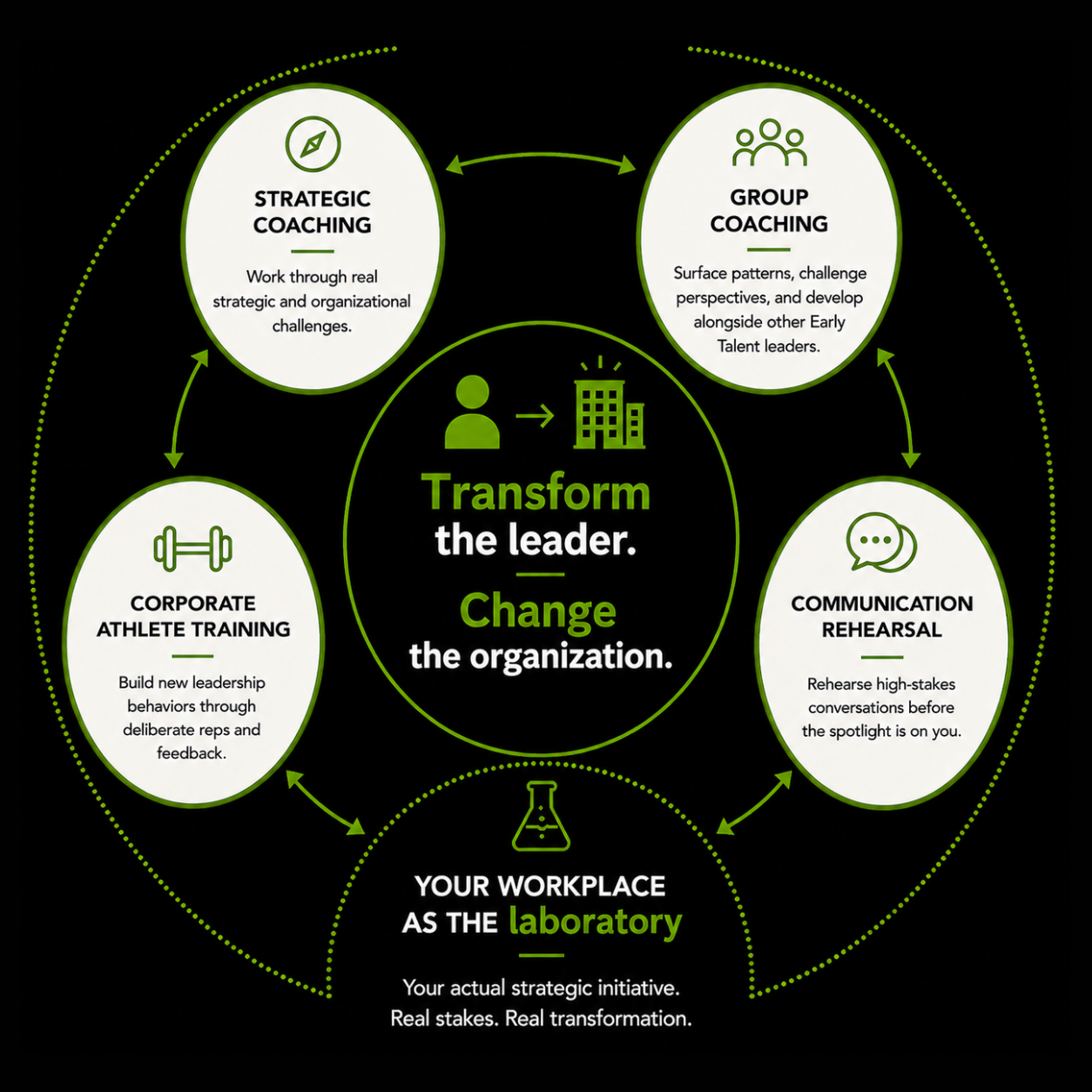
That means changing how leaders think about the work, use their voice, and behave day to day—through strategic coaching, behavioral reps, executive communication rehearsal, reflection, and repeated application to the work itself.
That’s why the workplace becomes the laboratory. Leaders develop through real strategic initiatives, stakeholder dynamics, resistance, and organizational stakes—changing how they lead in ways that change how their organizations approach Early Talent.
THE POWERHOUSE LEADERSHIP LABWhere Early Talent Leaders Grow Into the Next Standard of the Role

Next Cohort: Oct. 7th - Dec. 19th
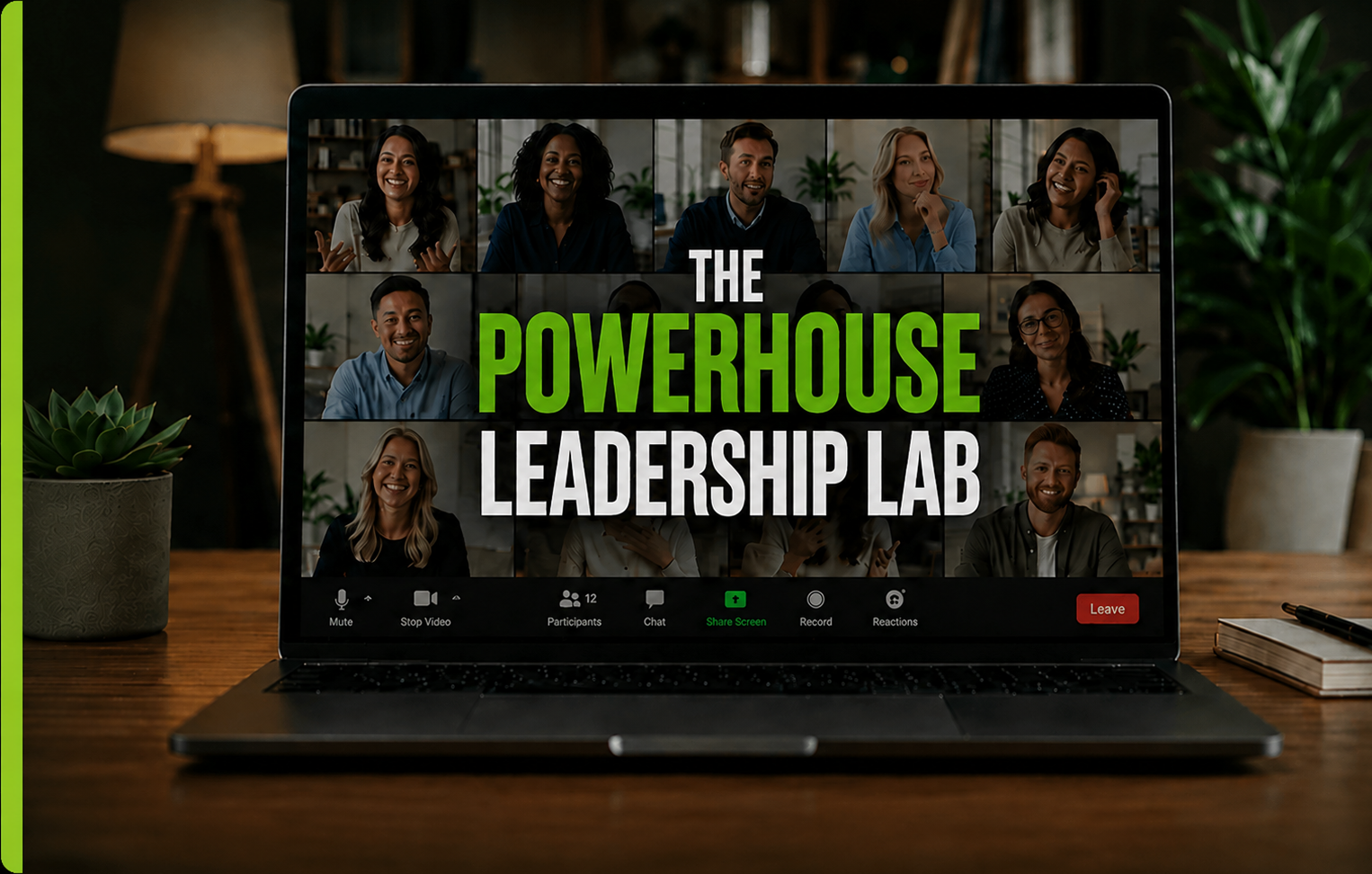
The Powerhouse Leadership Lab is Selwonk’s flagship 10-week developmental experience for Early Talent leaders. It brings the Powerhouse Leadership Model to life through strategic coaching, deliberate practice, executive communication rehearsal, and direct application to the organizational work leaders are responsible for moving.
Build the strategic problem-solving, workforce strategy perspective, organizational influence, and internal capacity to change how your organization thinks about, invests in, and leads Early Talent.


A NOTE FROM JILLIANThe Standard I Saw Was Possible
“I built the earliest prototype of this leadership model while working inside an Early Talent team as a consultant—expected to advise on workforce strategy while simultaneously helping deliver the work.
That experience challenged an assumption I had carried throughout my corporate career: that the execution-heavy realities of Early Talent meant strategic leadership would always have to compete with getting the work done.
That became the standard behind Selwonk.
We borrow from the rigor of consulting, the performance training of athletes, and the theater rehearsal of actors because Early Talent leaders deserve the same level of craft. The Powerhouse Leadership Model was built to bring the best of those fields to a profession whose leadership demands have outgrown the model it inherited.”
FEATURED CAPABILITY REPORT
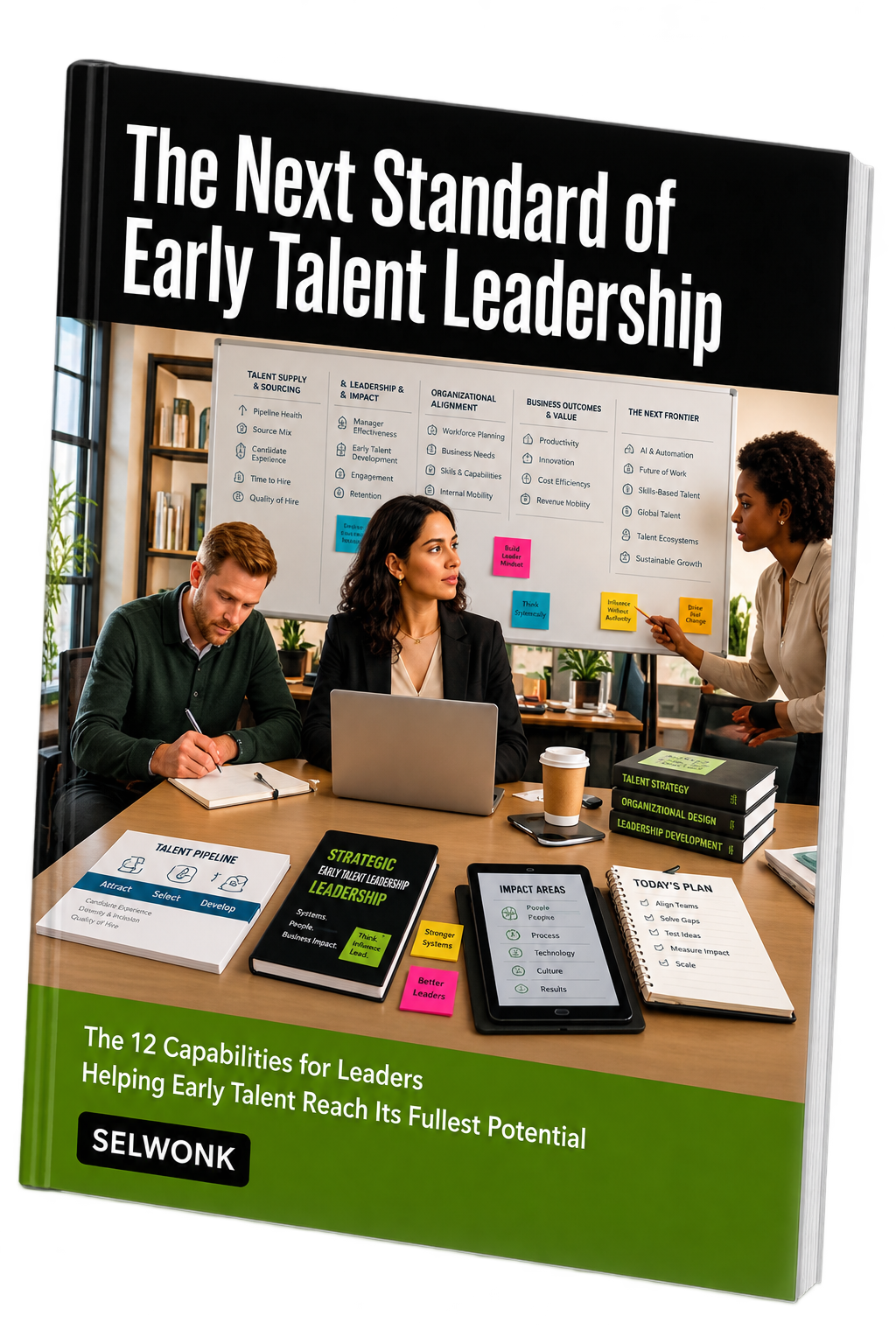
The Next Standard of Early Talent Leadership
Explore the 12 capabilities emerging as critical to the next standard of Early Talent leadership—from workforce strategy and commercial fluency to strategic influence, executive communication, systems thinking, and team development—and what they reveal about the leadership required to unlock the full strategic potential of Early Talent inside organizations.
Everything you need to know about developing into the next standard of Early Talent leadership.Frequently Asked Questions
-
Selwonk is a leadership development company building the next standard of Early Talent leadership. We develop the strategic problem-solving, workforce strategy perspective, organizational influence, and internal capacity leaders need to change how their organizations think about, invest in, and use Early Talent.
Our work brings together consulting, workforce strategy, performance psychology, leadership coaching, behavioral change, and deliberate practice—applied to the real work of leading Early Talent.
-
A Powerhouse is an Early Talent leader capable of changing how their organization thinks about, invests in, funds, and expands Early Talent.
Powerhouses learn to think, act, and speak like consultants from whatever seat they’re in—using strategic judgment and influence to make a stronger organizational case for what Early Talent can make possible.
-
The Powerhouse Leadership Model is Selwonk’s model for the next standard of Early Talent leadership.
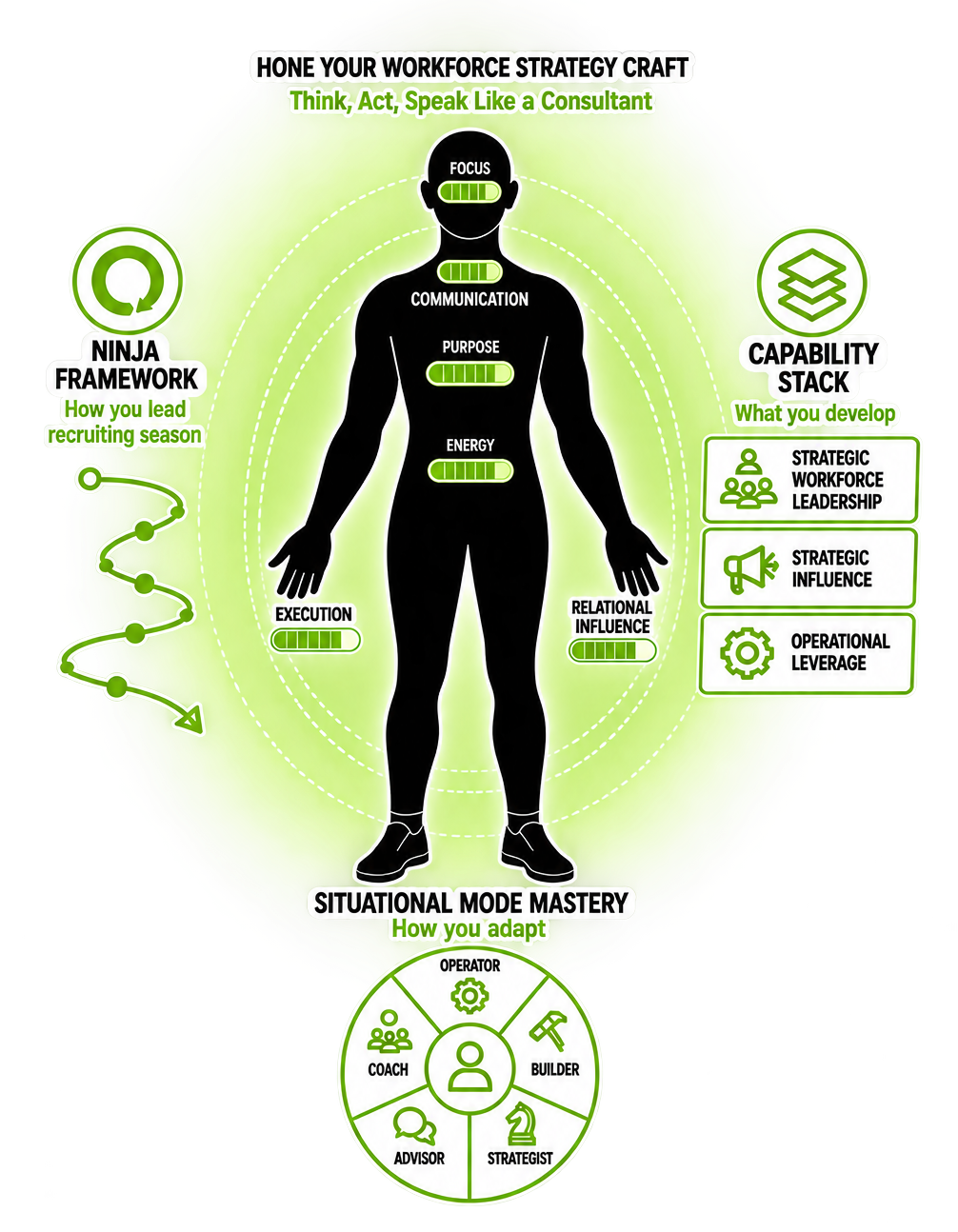
It integrates the Powerhouse archetype, the NINJA leadership practice, the ExecOS Method™, three leadership capability stacks, and five situational leadership modes into one developmental system designed to build leaders who can influence workforce strategy from the Early Talent seat.
-
No. We’re not primarily teaching Early Talent leaders how to recruit better.
Early Talent is the application environment. The deeper developmental work is strategic problem-solving, workforce strategy, organizational influence, communication, behavioral change, and leadership performance—the capabilities leaders need to influence what their organizations ultimately do with Early Talent.
Recruiting expertise matters. But expertise alone doesn’t change organizations.
-
The Strategic Talent Advisor evolution was directionally right: Talent professionals needed to move beyond order-taking and become more strategic contributors to the business.
Selwonk takes that evolution further for the realities of Early Talent leadership. Rather than building greater expertise across the recruiting lifecycle, the Powerhouse Leadership Model develops leaders to diagnose ambiguous business and workforce problems, exercise strategic judgment, translate talent realities into business implications, influence stakeholders, and turn strategic ideas into organizational adoption and change.
That’s why thinking, acting, and speaking like a consultant is central to the model.
-
We don’t believe leadership changes because someone learned another framework.
Selwonk combines strategic coaching, performance psychology, behavioral reps, communication rehearsal, reflection, and real workplace application to change what leaders can actually do when the stakes are real.
The workplace becomes the laboratory: leaders develop through the organizational challenges they’re actually responsible for leading—not apart from them.
-
The Powerhouse Leadership Model defines Selwonk’s next standard of Early Talent leadership—what that leadership looks like, the capabilities it requires, and how we believe those capabilities are developed.
The Powerhouse Leadership Lab is where leaders develop that model in practice. Over 10 weeks, leaders apply it to their real work through strategic coaching, deliberate practice, communication rehearsal, and organizational application.
The model is the leadership standard and developmental philosophy. The Lab is the developmental experience built to put it into practice.
-
ExecOS starts from a simple premise: knowing how you want to lead doesn’t mean you’ll have access to that leadership when pressure hits. Your nervous system and default behaviors shape what you’re actually able to think, say, and do when the stakes are real.
Rooted in performance psychology, our proprietary ExecOS Method™ develops six drivers of high-impact leadership performance—purpose, focus, energy, relational influence, communication, and execution—expanding the internal capacity leaders can access amid ambiguity, visibility, organizational friction, change, and relentless execution pressure.
It’s not a time-management or productivity framework. It’s behavioral-change work designed to make higher-impact leadership more available in the moments your mind and body are most likely to pull you back toward familiar patterns.
-
Today, Selwonk’s developmental experiences are focused primarily on leaders responsible for Early Talent recruiting and development.
That focus is intentional. As the future of entry-level work is rewritten, organizations risk underestimating—and underusing—the strategic potential of Early Talent. We believe Early Talent leaders have more agency and influence over what happens next than the execution-heavy leadership model they inherited has taught them to claim. Protecting and advancing career opportunities for the next generation requires our profession to play a stronger role in shaping that future.
Selwonk also works with leaders across the broader Talent and HR function through private coaching, and with organizations reimagining their Talent functions through tailored workshops, ExecOS diagnostics, and strategic advisory partnerships.
-
Yes. Selwonk is designed for both individual leaders investing in their own development and organizations building stronger Early Talent leadership capability.
Organizations can bring leaders through the Powerhouse Leadership Lab to develop the strategic judgment, workforce strategy perspective, organizational influence, and internal capacity to change how their organizations think about, invest in, and lead Early Talent.
THE NEXT STANDARD OF TALENT LEADERSHIPA Higher-Caliber Workforce Requires a Different Kind of Talent Leadership
Develop the strategic judgment, organizational influence, and leadership capacity to help your organization build the talent it needs—and help that talent become exceptional performers.